On 11 March 2020 the coronavirus was declared a global pandemic. By 21 March, lockdowns were in place in Canada and most travel was suspended, including commuting to work for most people. By 26 March I noted that now is the time to look at new societal infrastructures to implement post-pandemic. If not, we may go back to the old systems that got us into this mess in the first place. The shifts to working from home and learning online can also significantly decrease carbon emissions. We are seeing clean cities for the first time in decades. Let’s keep them clean, and slow down climate change at the same time. Why waste this crisis? The time to think about change is now.
I saw the emergence of the new normal of remote work that year. Most people would like the option to work from home, most of the time. This is especially true for knowledge workers. They have tasted it, and in spite of the challenges of being forced into what I would prefer to call ‘distributed work’ — they like it.
Now six years later and we see return to office mandates in many sectors, including the Canadian public service moving to four days per week on-site. This recently published research title pretty well explains what is behind the return to office (RTO) trend — Worship me at the office altar: Why narcissistic leaders resist remote work.
• Our research illuminates why some leaders oppose virtual work arrangements.
• We find that narcissistic leaders (executives, middle managers, supervisors) tend to resist remote work.
• Narcissistic leaders resist remote work because it interferes with their motivations for power and status.
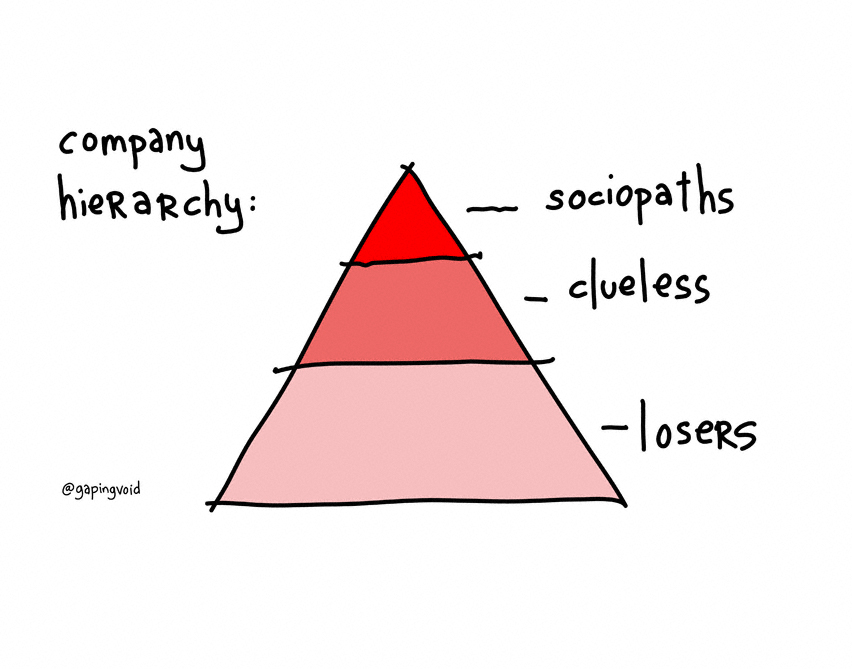
The Covid crisis was wasted and the sociopaths at the top of the company hierarchy have taken back control.
I still go back from time to time to the videos and writing that was made during that time. There seemed a moment of possibiiity. The grifters can’t have that.
What a moment we collectively wasted.